

What Emergency Responders Recommend for Off-Roading Drivers
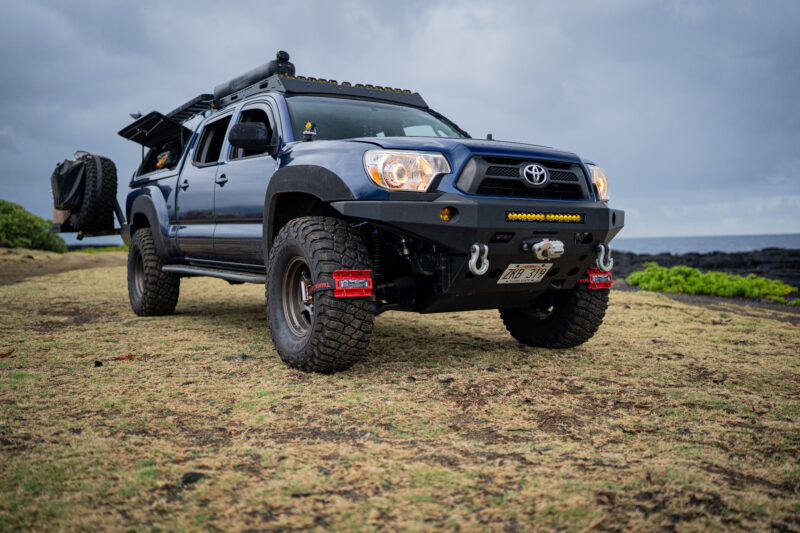
What Emergency Responders Recommend for Off-Roading Drivers. Can be exciting, but it comes with serious risks. Remote trails, sudden weather changes, and tricky terrain can create emergencies where help is far away. That’s why off-roading driver safety tips are essential.
Off roading can be a thrilling experience, but it’s crucial to stay safe while enjoying it.
Proper preparation, reliable communication devices, and the right emergency off-road gear can make all the difference. Checking your vehicle, knowing your limits, and carrying essential supplies ensures a safer off-road adventure for every driver.
Understanding the challenges of off roading can prepare you for any situation on the trails.
Essential Tips for Safe Off Roading Adventures
How Should You Plan and Prepare Before Off-Road Trips?
Before hitting the trail, always file a trip plan with someone you trust. Share your route, expected return, and travel companions. Know your personal limits and your vehicle’s capabilities, and consider taking approved off-road safety courses to boost your skills.
Consider the terrain you will be off roading on before you leave and plan accordingly.
Check the weather forecast and trail conditions to avoid surprises. Perform a full vehicle inspection, including fluids, brakes, tires, and lights. Never drive under the influence of alcohol or drugs. Careful pre-trip planning keeps you safe and ready for any off-road challenge.
Remember, off roading requires a combination of skill and preparation to be successful and safe.
What Communication Devices Are Essential for Off-Road Drivers?
Off-road trips can take you far from help, so communication devices are critical. Carry satellite messengers or beacons like Garmin inReach or SPOT for SOS signals and location tracking.
Off roading can take you to remote destinations, so being well-equipped is essential.
Use two-way or ham radios to stay in contact with your group, especially in areas with no cell coverage.
Always have a fully charged mobile phone for emergencies and updates. Having reliable off-road communication gear ensures you can call for help and stay connected in any situation.
Your off roading experience will be more enjoyable with the right communication devices.
What Emergency and First Aid Supplies Should You Carry Off-Road?
Every off-road driver should have a well-stocked first aid kit. Include bandages, tourniquets, and hemostatic agents, and learn to use them through basic wilderness first aid training.
Carry survival supplies like water, high-calorie food, extra clothing, a flashlight, whistle, and an emergency blanket. Don’t forget PPE such as a helmet, gloves, eye protection, and over-the-ankle boots.
Having proper off-road first aid kit and survival gear ensures you can handle injuries or emergencies safely when far from help.
Each off roading trip should include essential first aid supplies for emergencies.
How Can Traction Aids Like TruckClaws Help in Emergencies?
TruckClaws are essential traction aids for off-road drivers. They prevent your vehicle from getting stuck in mud, sand, or snow. These portable mats are easy to deploy for self-recovery or pre-traction setups.
They can replace traditional traction boards and work well with shovels, winches, rated recovery points, and tie-downs to create a complete tire recovery solution.
Carrying TruckClaws ensures safer navigation through tricky terrain and adds an important layer of off-road safety.
Off roading adventures can be unpredictable, so having traction aids is very beneficial.
What Tools and Vehicle Equipment Are Must-Haves?
Carrying the right off-road maintenance tools is crucial for safe trips. Bring basic tools like screwdrivers, pliers, wrenches, utility knife, duct tape, and zip ties.
For vehicle maintenance, include a tire pressure gauge, spare fuses, light bulbs, and essential fluids. Recovery and inspection gear such as a high-lift jack, wood blocks, spare tire, and tree-saver straps are vital for emergencies.
Don’t forget cleaning and hygiene items like trash bags, disinfectant wipes, and hand sanitizer. Having these tools ensures you can handle breakdowns, minor repairs, and recovery safely.
What On-Trail Practices Can Improve Safety?
Safe off-road driving relies on smart on-trail practices. Keep a controlled speed, following the rule: “as slow as possible, as fast as necessary.” Stay inside the vehicle during extreme weather or whiteouts. Always fasten seatbelts and secure loose gear.
When off roading, always prioritize safety by following these essential guidelines.
Stick to designated trails to prevent environmental damage, and inspect obstacles on foot before crossing tricky terrain.
Adjust your driving for slopes, mud, or unstable ground to avoid rollovers or getting stuck. These habits greatly reduce risks and keep you in control.
Conclusion: Be Prepared, Equipped, and Safe
For safe off-road driving, plan carefully and carry essential gear, including first aid kits, recovery tools like TruckClaws, and proper PPE.
To maximize your off roading safety, ensure you have all necessary gear and tools.
Follow safe on-trail practices, maintain communication, and rely on self-sufficiency until help arrives. Preparation and awareness are your best defenses against emergencies.